If you’ve spent time on text messaging apps, online chat rooms, or social media platforms, you’ve likely encountered the abbreviation ASL.
While short and easy to type, its meaning is not always immediately clear, particularly for those new to internet slang or online communication.
Quick Reply: In texting and online chat, ASL most commonly stands for “Age, Sex, Location.” This abbreviation originated as a quick way for people to ask basic personal information in chat rooms or messaging apps. It allows conversations to start quickly, especially in anonymous or semi-anonymous environments.
Understanding ASL is essential for navigating online conversations safely, responding appropriately, and avoiding misunderstandings.
Additionally, ASL can also refer to American Sign Language, though this meaning is generally reserved for educational or professional contexts.
This article explores ASL’s definitions, origins, context-specific usage, examples, alternatives, and FAQs, providing a complete guide for its proper use.
Definition & Meaning of ASL
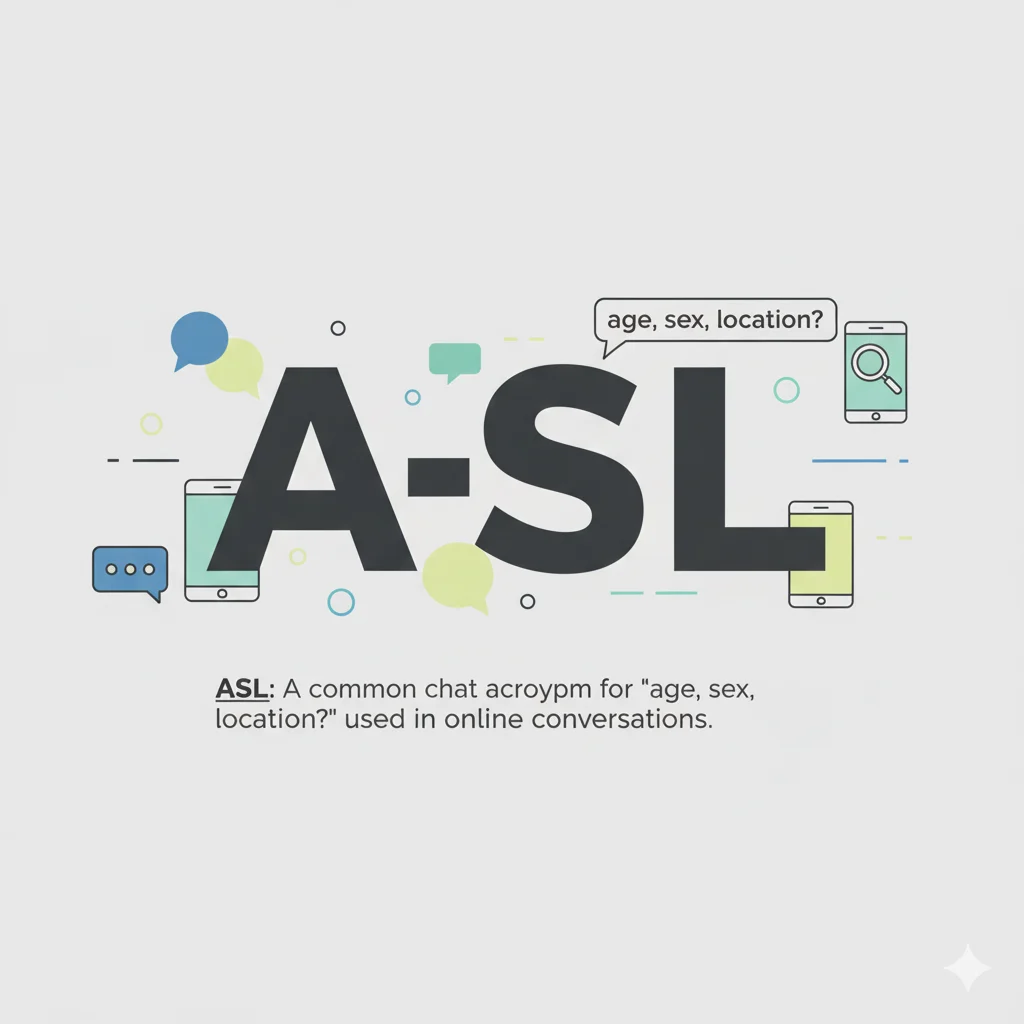
Primary Meaning: Age, Sex, Location
- ASL is a shorthand used in texting and chat to request basic personal information: age, gender, and location.
- This abbreviation was widely adopted in chat rooms and early messaging platforms to allow users to quickly learn about new contacts.
Examples:
- Chat Room: “Hey, ASL?” → Asking for age, sex, and location.
- Messaging App: “ASL? I’m 24, male, USA.”
- Purpose: ASL allows users to establish basic context about a conversation partner, especially in anonymous environments.
Secondary Meaning: American Sign Language
- ASL can also stand for American Sign Language, a complete, structured language used by the Deaf community in the U.S. and Canada.
- Context determines meaning: In casual texting, it’s almost always Age, Sex, Location, while in educational or professional discussions, it refers to American Sign Language.
Example:
- Educational: “Learning ASL is crucial for effective communication with Deaf students.”
Origins & History
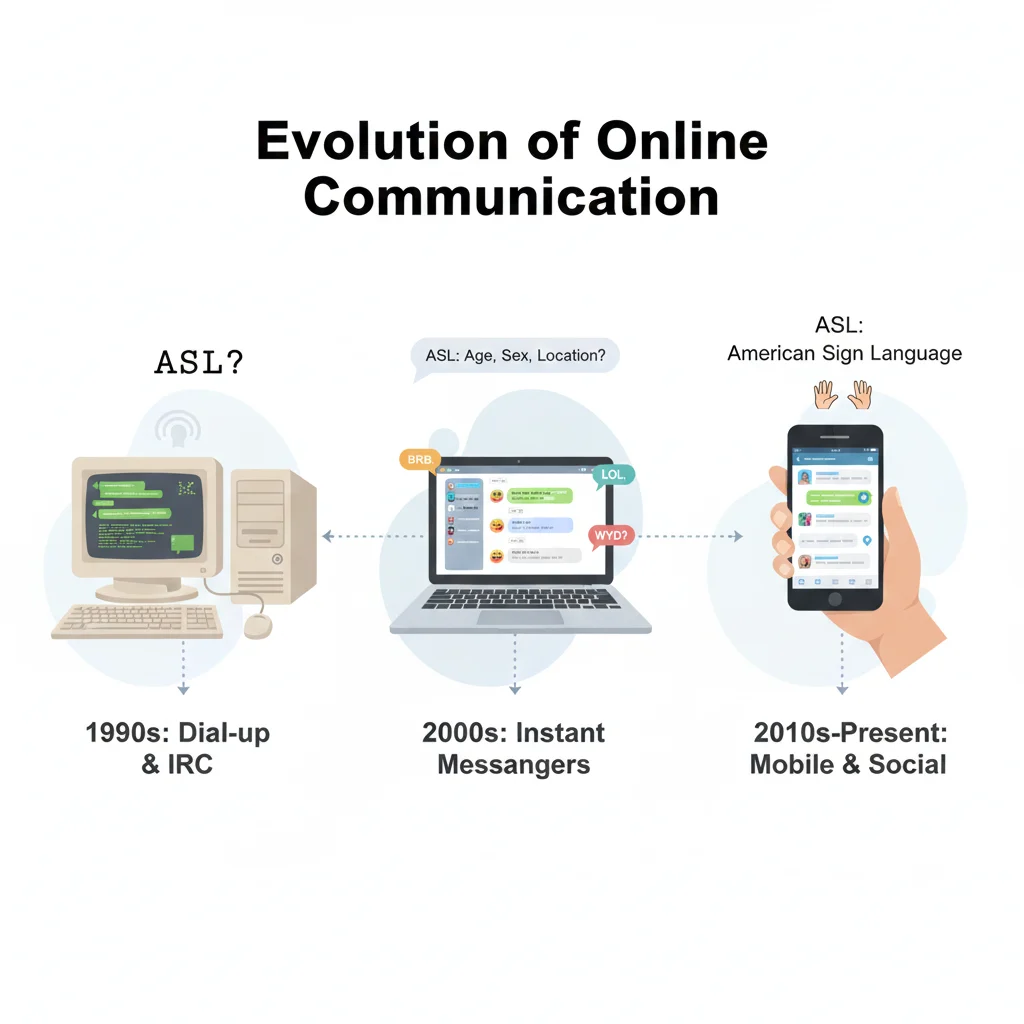
Internet Chat Origins (Age, Sex, Location)
- ASL originated in the early 1990s and 2000s, when chatrooms like AOL, ICQ, and MSN Messenger were popular.
- Users wanted quick ways to ask basic personal questions without typing full sentences.
- Abbreviations like ASL, BRB (Be Right Back), and LOL (Laugh Out Loud) became staples of internet slang, making communication faster and more efficient.
American Sign Language (Secondary Origin)
- American Sign Language has been in use since the early 19th century, developed as a primary language for Deaf individuals in the United States.
- While unrelated to texting slang, ASL occasionally appears in online discussions in educational, professional, or advocacy contexts.
Usage in Different Contexts
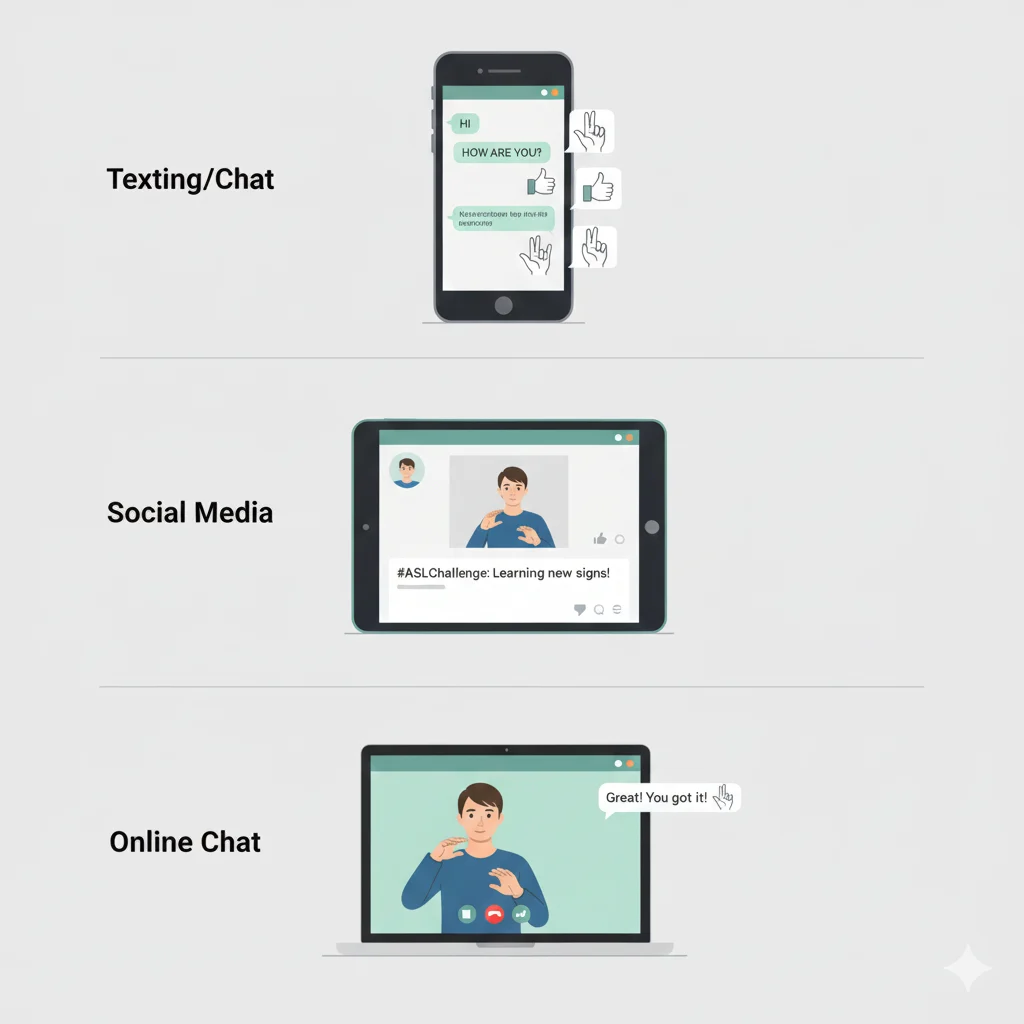
1. Chat Rooms & Messaging Apps
- ASL (Age, Sex, Location) was commonly used in early internet chatrooms to facilitate introductions.
- Example:
- User 1: “ASL?”
- User 2: “22, Female, London”
- User 1: “ASL?”
- Tone: Casual, direct, sometimes considered intrusive by today’s standards.
- Tip: Modern etiquette suggests being polite and respectful when asking ASL in chat rooms.
2. Social Media & Online Communities
- ASL occasionally appears in social media posts, forums, or direct messages, usually to quickly establish basic information about a conversation partner.
- Example:
- Forum DM: “Hey, ASL?” → Asking for basic information.
- Modern platforms like Facebook, Instagram, or Discord often make ASL unnecessary because users can view profile information.
- Forum DM: “Hey, ASL?” → Asking for basic information.
- Usage Consideration: Be mindful that some users consider unsolicited ASL questions intrusive or outdated.
3. Safety & Privacy Considerations
- Sharing personal ASL information online can pose privacy risks.
- Recommendations:
- Avoid giving exact location or birth date.
- Consider approximate age or general city/state instead of precise details.
- Use privacy settings on platforms to control who sees personal information.
- Avoid giving exact location or birth date.
4. Educational or Professional Contexts (American Sign Language)
- In professional, educational, or advocacy contexts, ASL almost always refers to American Sign Language.
- Example: “I’m taking an ASL class to communicate with Deaf students.”
- Clarifying context is critical to avoid confusion between Age, Sex, Location and American Sign Language.
Common Misunderstandings & Clarifications
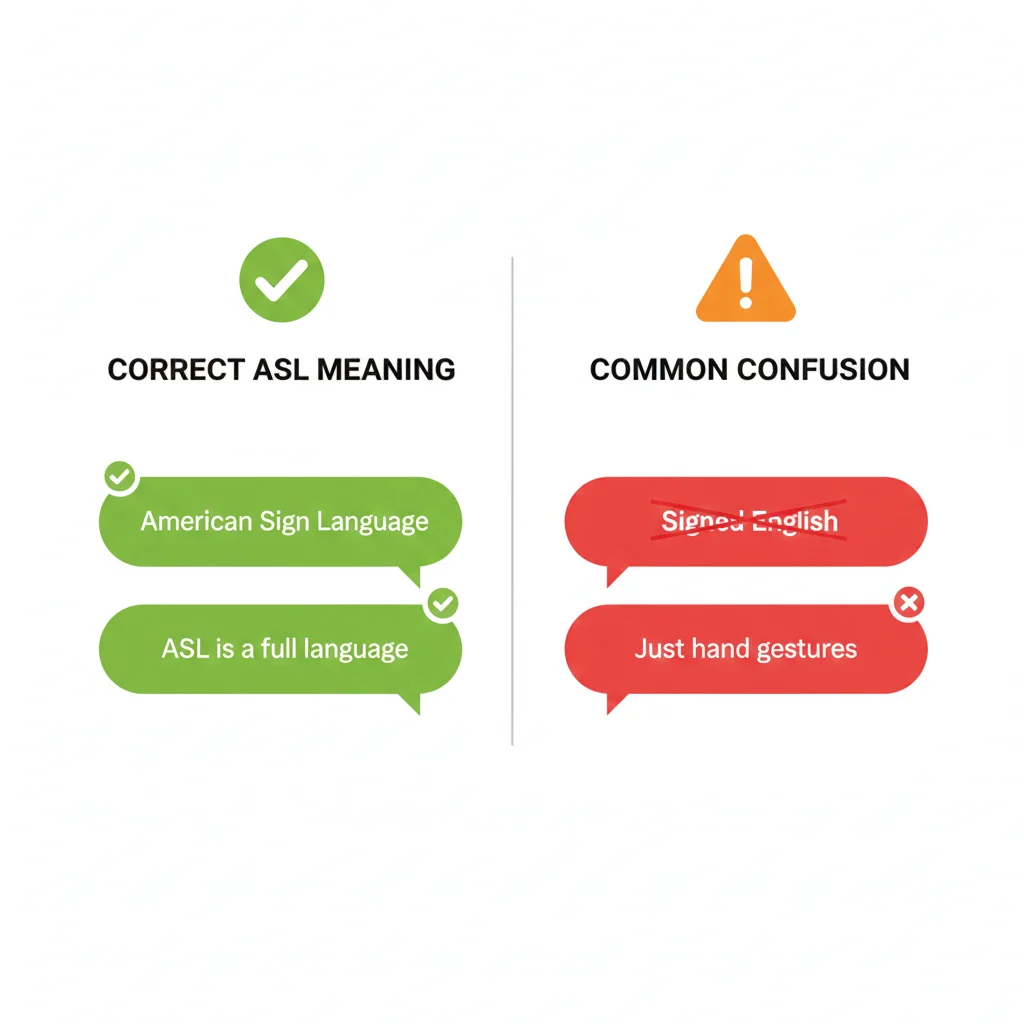
- ASL ≠ Verification: Asking for ASL does not validate a person’s identity.
- ASL ≠ Required: Sharing ASL information is optional, and modern online chats often rely on profile details.
- ASL & Safety: Never give exact personal information to strangers online.
Example:
- Chat: “ASL?” → Standard request for age, sex, location.
- Misuse: Sharing full address → Unsafe and discouraged.
- Tip: Always assess context and privacy before responding.
Examples of ASL in Sentences
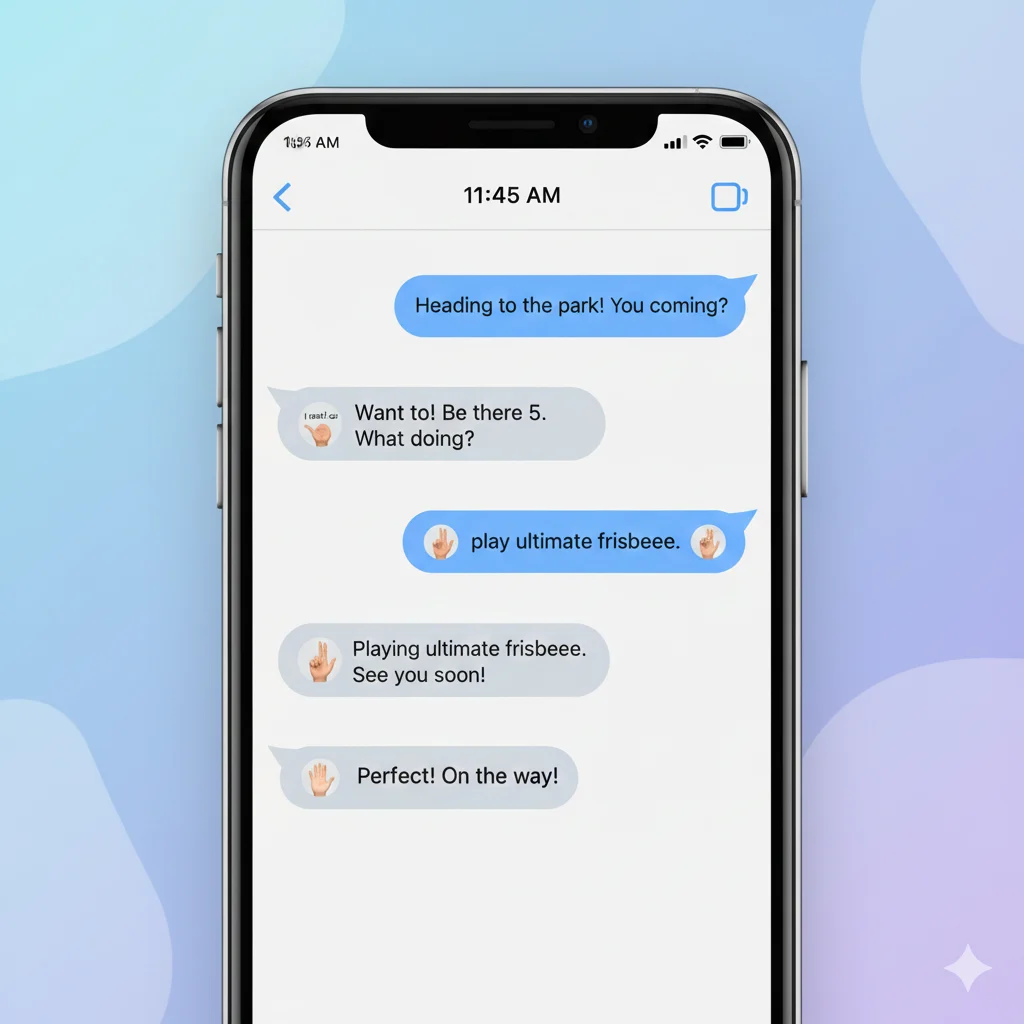
- Chat Room: “Hey, ASL?” → Asking for age, sex, location.
- Messaging App: “ASL? 21, male, Canada.”
- Social Media: “ASL only in private DMs.”
- Forum: “ASL was very common in early 2000s chatrooms.”
- Educational: “ASL (American Sign Language) is taught in schools for Deaf communication.”
- Pro Tip: Correct interpretation depends on context and platform.
Alternatives & Synonyms
| Abbreviation | Meaning | Context |
| AGE/SEX/LOC | Age, Gender, Location | Texting/chat alternative |
| DM me | Direct Message Me | Private conversation |
| Profile Info | Basic personal details | Social media platforms |
| IDK | I Don’t Know | Casual chat response |
| American Sign Language | Deaf communication language | Educational/professional |
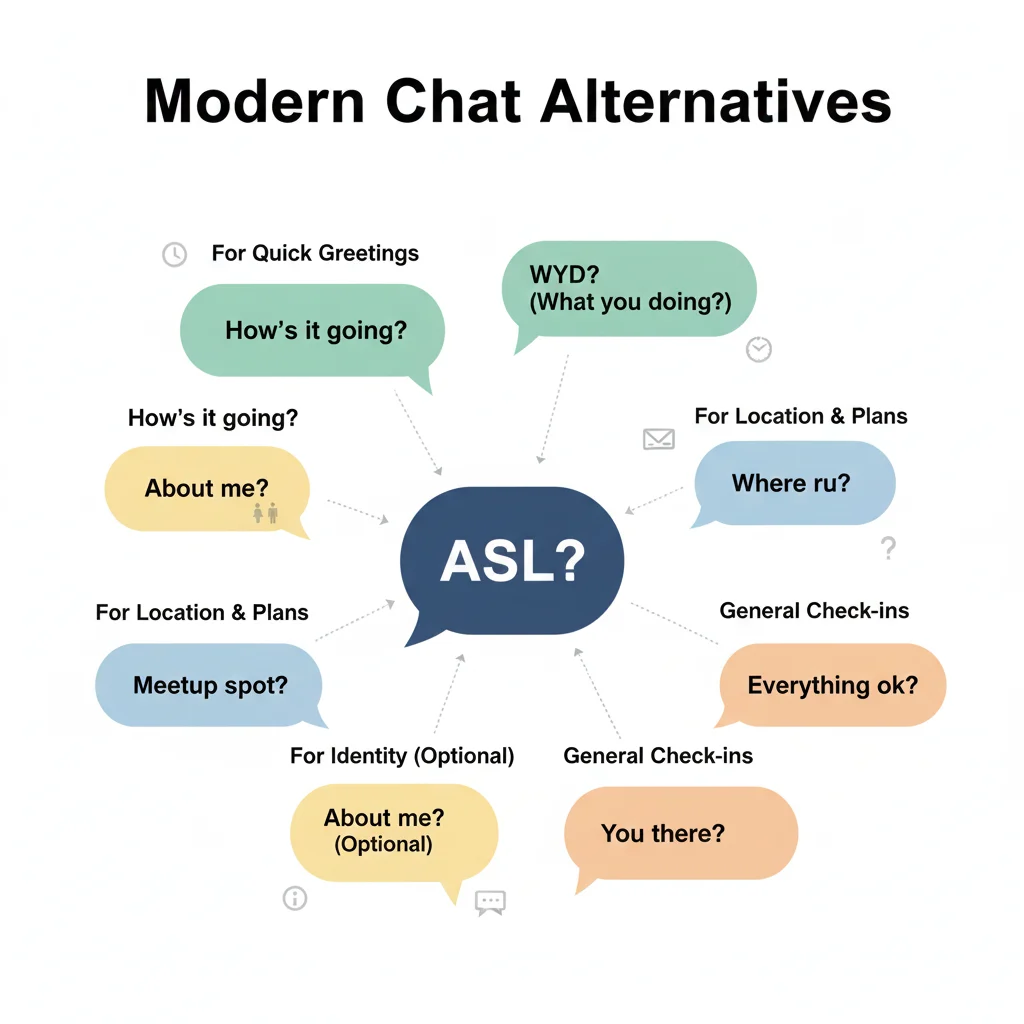
Modern alternatives allow users to share info safely and privately, reducing the need for direct ASL questions.
Tips for Using ASL Correctly
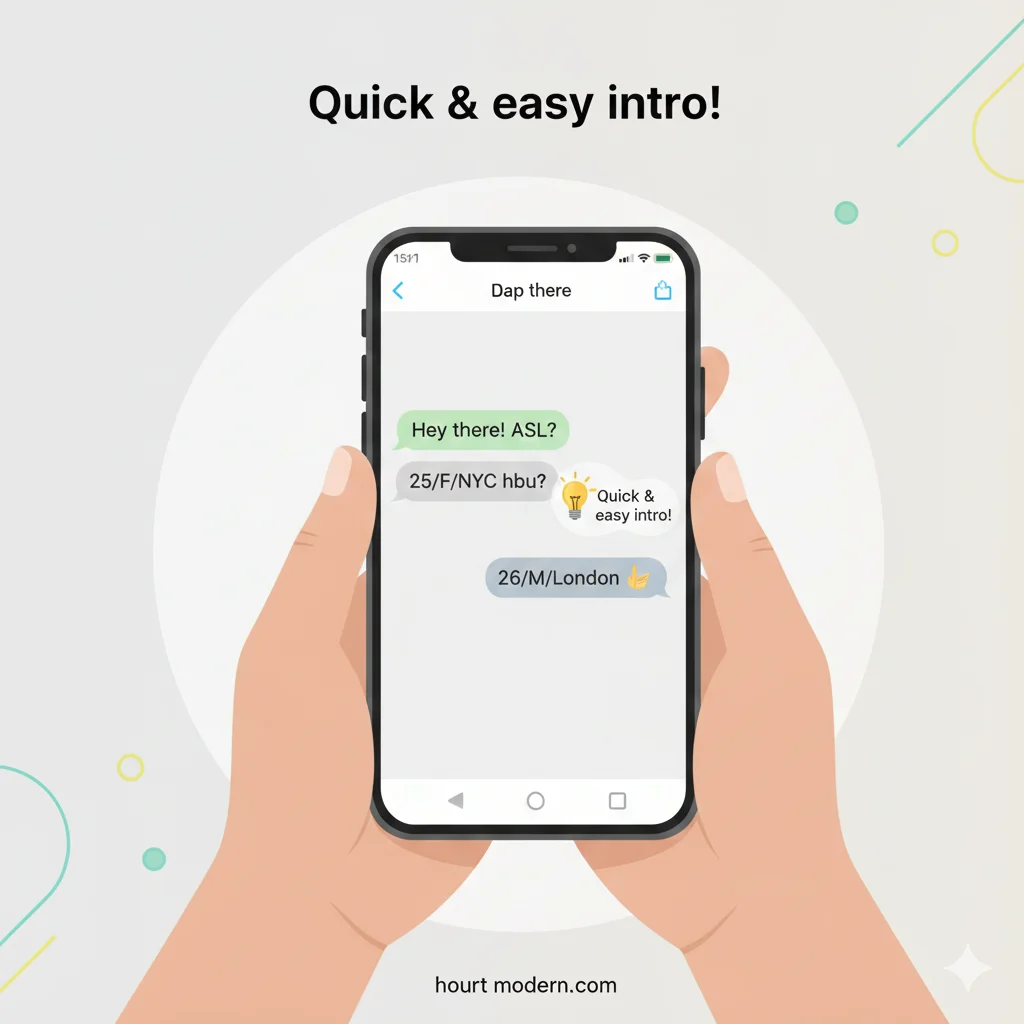
- Know the context: Texting/chat = Age, Sex, Location; education = American Sign Language.
- Be cautious with personal info: Avoid revealing exact details to strangers.
- Respect platform norms: Some communities discourage unsolicited ASL questions.
- Clarify meaning if needed: Prevent confusion between Age/Sex/Location and American Sign Language.
- Use polite phrasing: Example: “Would you mind sharing your ASL?” instead of “ASL?”
Frequently Asked Questions (FAQ)
1️⃣ What does ASL mean in text?
- In texting, ASL stands for Age, Sex, Location, used for quick introductions.
2️⃣ Can ASL mean something else?
- Yes, it can also mean American Sign Language, depending on context.
3️⃣ Is it safe to share ASL info online?
- Only share general information with strangers. Avoid exact location or sensitive details.
4️⃣ Where is ASL commonly used?
- Chat rooms, instant messaging apps, online forums, and occasionally social media DMs.
5️⃣ Is ASL outdated?
- In modern social media and messaging, yes; profile info often makes ASL unnecessary, but it remains recognized in nostalgic or retro chat communities.
6️⃣ Can ASL be misunderstood?
- Yes, if someone assumes it always means American Sign Language. Always clarify context.
7️⃣ Are there alternatives to ASL?
- Alternatives include AGE/SEX/LOC, private DMs, or requesting general information politely.
Conclusion
ASL is a widely recognized abbreviation in texting, chatrooms, and online messaging, primarily standing for Age, Sex, Location.
Knowing how to interpret ASL ensures safe, polite, and effective communication online. Additionally, ASL can refer to American Sign Language in educational or professional contexts, so context is crucial.
Always consider platform, audience, and privacy before sharing ASL information. Clarify meaning when in doubt, and prioritize safety while participating in online conversations.