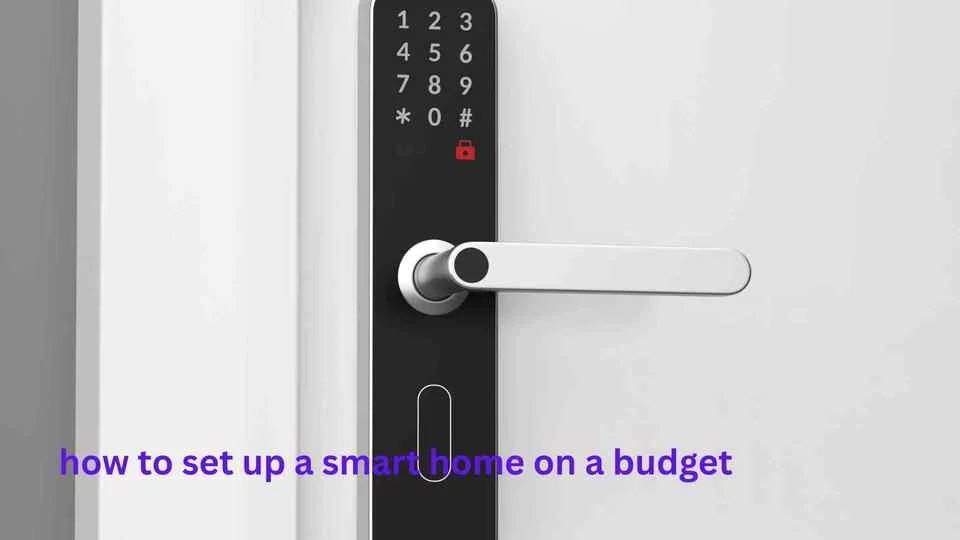
Learning how to set up a smart home on a budget allows homeowners to enjoy convenience, security, and automation without overspending.
Smart homes are no longer luxury items — affordable devices and DIY solutions make smart home setups accessible to everyone in 2026.
This guide explains step-by-step tips, essential devices, and cost-saving strategies for building a smart home affordably.
Why a Smart Home Matters
A smart home enhances convenience, energy efficiency, and security.
Even on a budget, smart devices can automate daily tasks and improve quality of life.
1. Start with a Smart Hub or Voice Assistant
A central smart hub or voice assistant (like Amazon Echo or Google Nest Hub) allows you to control multiple devices easily.
This is a cost-effective starting point for managing lights, plugs, thermostats, and more.
2. Use Smart Plugs and Switches
Smart plugs and switches are inexpensive and versatile.
They let you control lights, fans, or small appliances remotely or via voice commands.
3. Affordable Smart Lighting
LED smart bulbs are budget-friendly and energy-efficient.
Choose bulbs that work with your smart hub to create schedules, dim lighting, or change colors for ambiance.
4. Security on a Budget
Affordable smart cameras, doorbells, and sensors provide basic security features.
Many options offer motion detection, remote monitoring, and notifications without expensive subscriptions.
5. DIY Smart Home Automation
Automate devices using apps or hub routines without professional installation.
For example, set lights to turn on at sunset or the coffee maker to start in the morning.
6. Prioritize Essential Devices First
Focus on devices that improve convenience and security:
- Smart lights
- Smart plugs
- Smart thermostat
- Entry-level security cameras
Add advanced gadgets later as budget allows.
7. Compare Brands and Look for Deals
Affordable smart home devices are available from multiple brands.
Check online deals, bundle offers, or refurbished products to save money.
8. Energy Efficiency and Cost Savings
Smart thermostats, energy monitors, and automated lighting save electricity and reduce bills over time.
Budget-friendly devices can pay for themselves with energy savings.
9. Use Multi-Functional Devices
Choose devices that serve multiple purposes.
For example, a smart speaker can also act as a hub, alarm, and entertainment system, reducing the number of devices needed.
10. Plan Gradual Expansion
Start small, test devices, and expand your smart home gradually.
This approach prevents overspending and allows you to choose gadgets that best fit your lifestyle.
Conclusion
Understanding how to set up a smart home on a budget makes technology accessible, affordable, and practical.