Learning is not just about mastering a new skill overnight—it’s about making consistent progress, one step at a time. Progress learning is a powerful approach that focuses on gradual improvement, allowing you to build knowledge and skills sustainably.
If you’re a student, professional, or lifelong learner, understanding how to measure and enhance your learning progress can make a huge difference. By breaking tasks into manageable steps, tracking your achievements, and reflecting on your growth, you create a structured path toward success.
This method not only boosts motivation but also fosters a growth mindset, encouraging persistence even when challenges arise. In this article, we’ll explore what progress learning is, why it works, and practical strategies to help you track your growth, overcome obstacles, and achieve your learning goals effectively.
What Is Progress Learning?
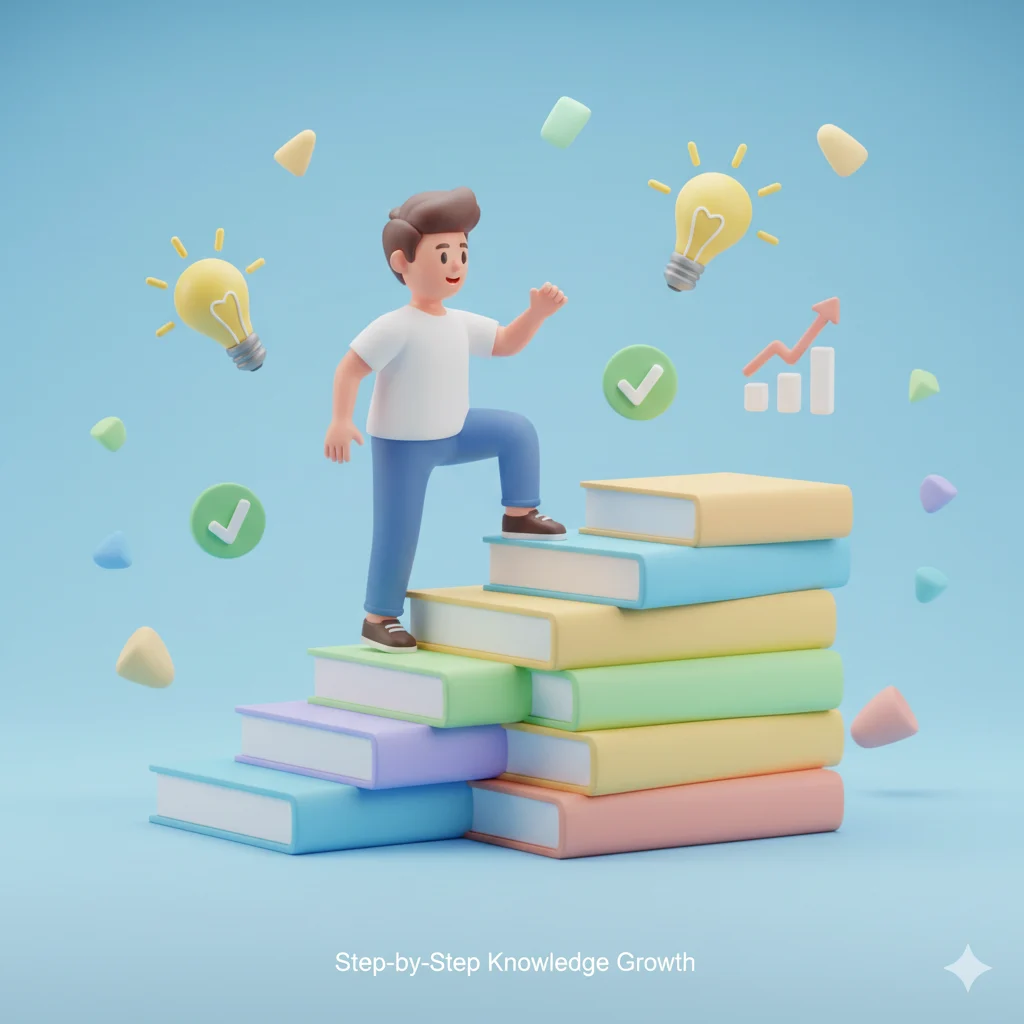
Progress learning is a method of acquiring knowledge or skills gradually, focusing on small, consistent improvements rather than trying to achieve perfection all at once. Unlike traditional learning approaches, which often emphasize memorization or rapid results, progress learning encourages a step-by-step journey where every small accomplishment contributes to overall growth. The core idea is that consistent effort, no matter how minor, compounds over time, leading to significant improvement in the long run.
For example, if you’re learning a new language, progress learning might involve practicing just 10 new words each day instead of attempting to memorize an entire vocabulary list in one sitting. Similarly, in music, it could mean mastering one scale or chord at a time before moving on to complex pieces.
This approach also emphasizes tracking learning progress, reflecting on challenges, and celebrating small wins. By doing so, learners stay motivated and develop a growth mindset, understanding that mistakes and setbacks are part of the learning process. Ultimately, progress learning transforms overwhelming goals into manageable steps, making skill development more achievable, enjoyable, and sustainable over time.
The Science Behind Progress Learning
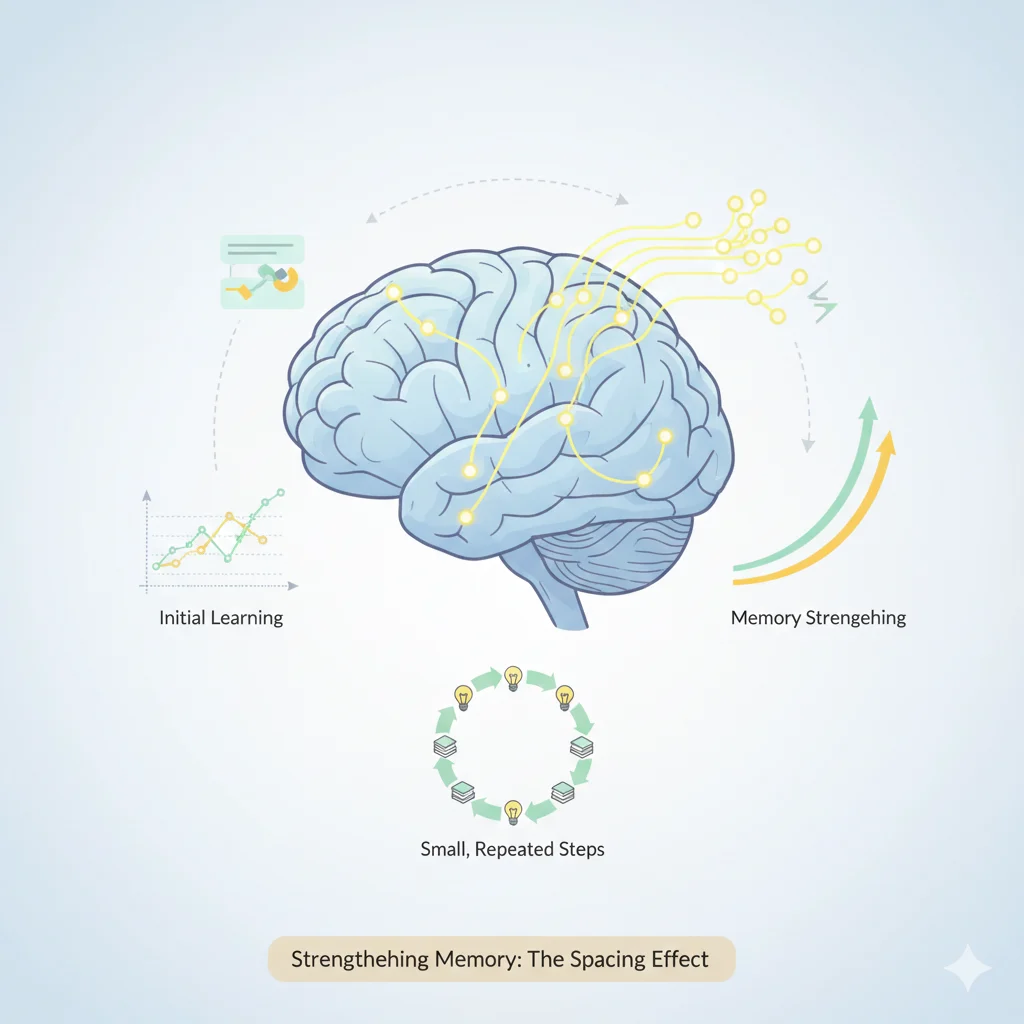
The effectiveness of progress learning is backed by science, particularly in the fields of cognitive psychology and neuroscience. One key concept is neuroplasticity, which is the brain’s ability to reorganize itself by forming new neural connections. Every time you practice a skill or learn something new in small, consistent steps, your brain strengthens these connections, making the learning process more efficient over time.
Another important principle is spaced repetition, which involves reviewing information at intervals rather than all at once. This method improves memory retention and helps learners retain knowledge for longer periods. Research shows that breaking learning into smaller, manageable chunks and revisiting them regularly reduces cognitive overload and prevents burnout.
Incremental improvement, the foundation of progress learning, also aligns with motivation theories. Celebrating small wins releases dopamine, a neurotransmitter that reinforces positive behavior, encouraging continued effort. This approach is particularly effective compared to cramming or attempting rapid mastery, which often leads to frustration and abandonment of goals.
By combining consistent practice, reflection, and the science of how the brain learns best, progress learning creates a sustainable path for mastering any skill—whether it’s academic, professional, or personal growth.
Benefits of Progress Learning

Adopting a progress learning approach offers numerous benefits that make skill development more effective and enjoyable. One of the most significant advantages is enhanced motivation. By focusing on small, measurable achievements, learners experience a sense of accomplishment more frequently, which keeps them engaged and encourages consistent effort. These small wins build confidence and reinforce the habit of learning.
Another benefit is reduced stress and burnout. Traditional methods that demand rapid mastery or long, intense study sessions can be overwhelming. Progress learning breaks tasks into manageable steps, allowing learners to advance without feeling pressured, making the journey sustainable over time.
Improved retention is another key advantage. Techniques like spaced repetition and incremental practice help the brain retain knowledge more effectively than cramming. Over time, this leads to stronger understanding and mastery of skills.
Additionally, progress learning fosters a growth mindset, helping learners embrace challenges and view mistakes as opportunities for improvement. This mindset encourages resilience and long-term personal development.
Finally, this approach builds lifelong learning habits, equipping individuals with the tools and mindset needed to continuously grow academically, professionally, and personally throughout their lives.
Growth Mindset and Its Role in Progress Learning
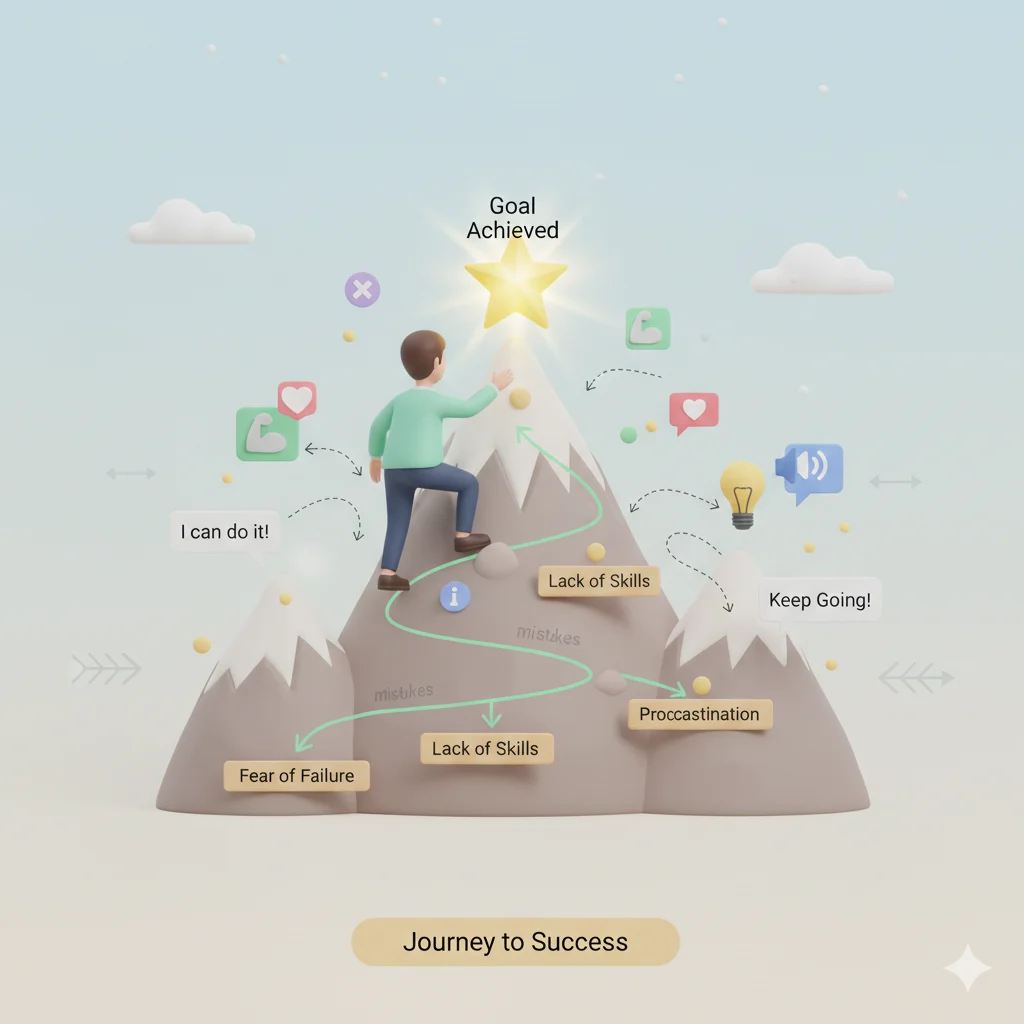
A growth mindset is a crucial component of effective progress learning. Coined by psychologist Carol Dweck, a growth mindset is the belief that abilities and intelligence can be developed through effort, practice, and learning from mistakes. This contrasts with a fixed mindset, where individuals see their skills as static and unchangeable.
When learners adopt a growth mindset, they approach challenges with curiosity rather than fear. They understand that setbacks are natural steps in the learning process, not signs of failure. This perspective encourages persistence, making incremental progress more achievable and less stressful.
In progress learning, a growth mindset helps learners embrace small, consistent improvements. For example, a student practicing math daily may initially struggle with certain problems but sees each attempt as progress. Similarly, someone learning a musical instrument learns to value mastering a single scale or chord rather than rushing through an entire piece.
By combining a growth mindset with structured progress learning, individuals are more likely to remain motivated, resilient, and consistent. This mindset transforms obstacles into opportunities, turning the learning journey into a rewarding experience and fostering continuous skill development throughout life.
How to Implement Progress Learning Effectively
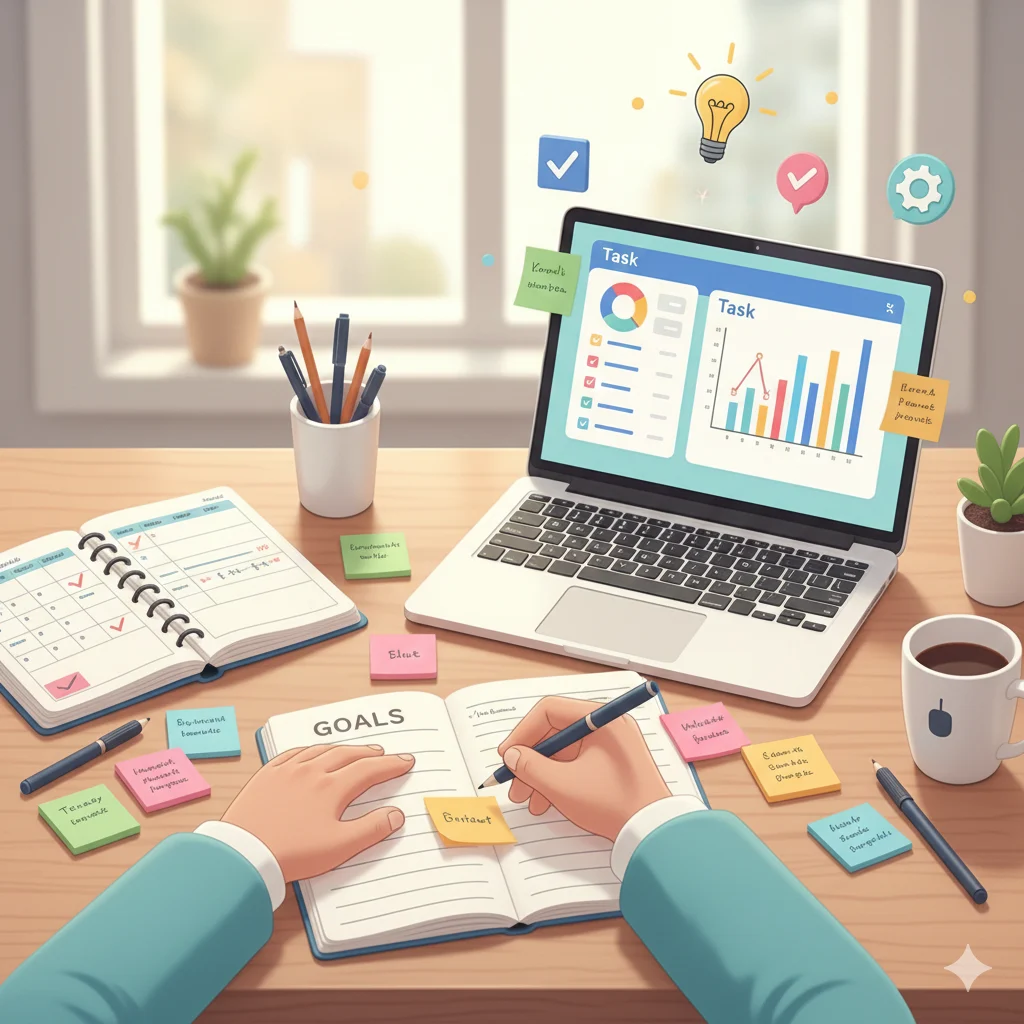
Implementing progress learning effectively requires planning, consistency, and self-awareness. The first step is to set clear, achievable goals. Using the SMART framework—Specific, Measurable, Achievable, Relevant, and Time-bound—helps break down larger objectives into manageable tasks. For example, instead of “learn Spanish,” a SMART goal would be “memorize 10 new Spanish words daily for one month.”
Next, break skills into smaller steps. Incremental learning focuses on mastering one element at a time, which reduces overwhelm and allows you to track real progress. Whether it’s coding, writing, or fitness, dividing tasks into small, achievable milestones ensures steady improvement.
Track your progress regularly. Journals, apps, or checklists help visualize accomplishments and identify areas needing improvement. Reflection is equally important—review what worked, what didn’t, and adjust your learning strategies accordingly.
Consistency is key. Establishing a routine for learning, even if it’s just 20–30 minutes daily, reinforces habits and strengthens memory retention. Finally, celebrate small wins to maintain motivation. By combining goal-setting, incremental steps, tracking, and reflection, progress learning becomes a structured and sustainable path to mastering any skill.
Common Challenges in Progress Learning
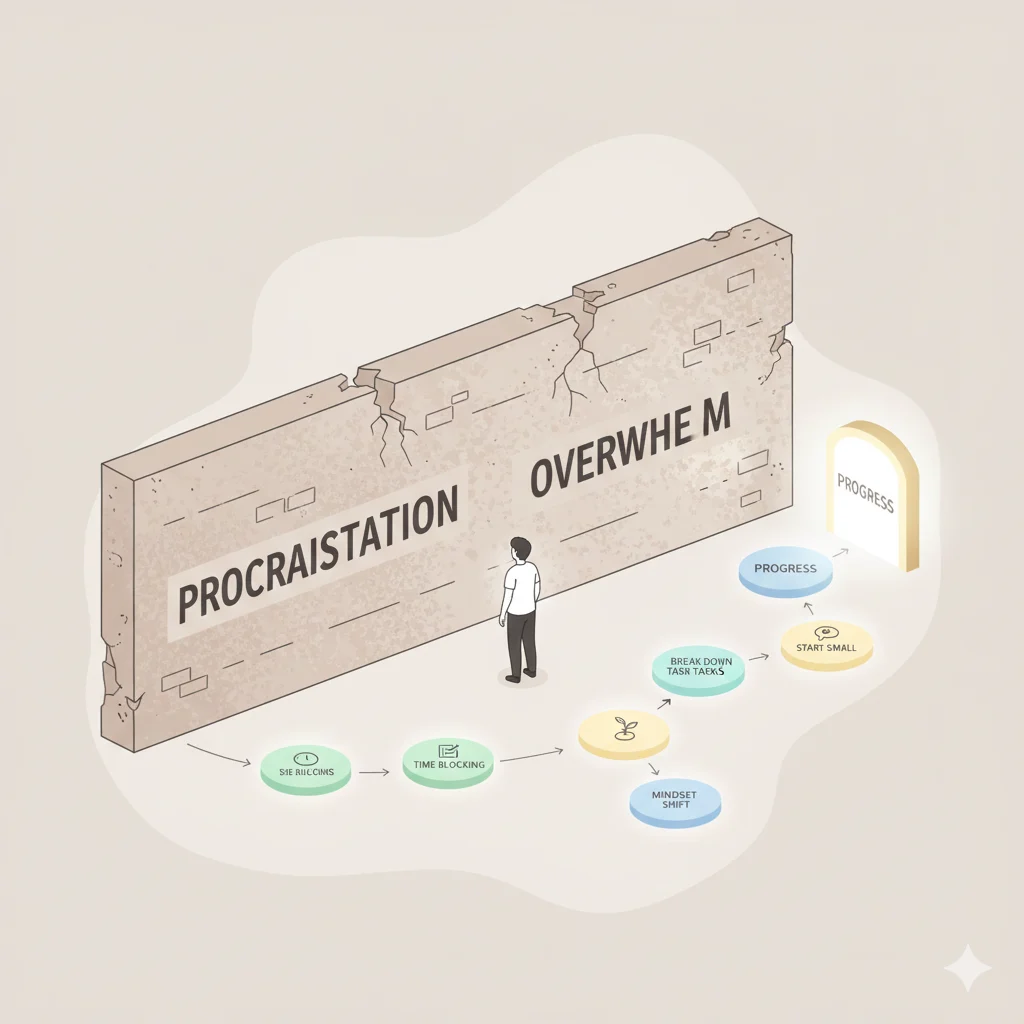
While progress learning is highly effective, learners often encounter several challenges along the way. One of the most common obstacles is procrastination. When tasks seem small or incremental, it’s easy to delay practice, thinking “I’ll do it later.” Over time, this can slow progress and reduce motivation.
Another challenge is feeling overwhelmed by large goals. Even with step-by-step planning, learners sometimes focus too much on the end result rather than celebrating small achievements. This mindset can lead to frustration and burnout.
Measuring progress can also be difficult. Without clear metrics or tracking methods, learners may feel uncertain about whether their efforts are making a difference, which can reduce confidence and motivation.
To overcome these challenges, it’s essential to create structured routines, set realistic goals, and use tools like journals, apps, or progress charts. Breaking tasks into even smaller steps and focusing on one milestone at a time can help. Additionally, cultivating a growth mindset encourages learners to view setbacks as learning opportunities rather than failures, keeping motivation high and the learning journey sustainable.
Tools and Techniques to Track Learning Progress
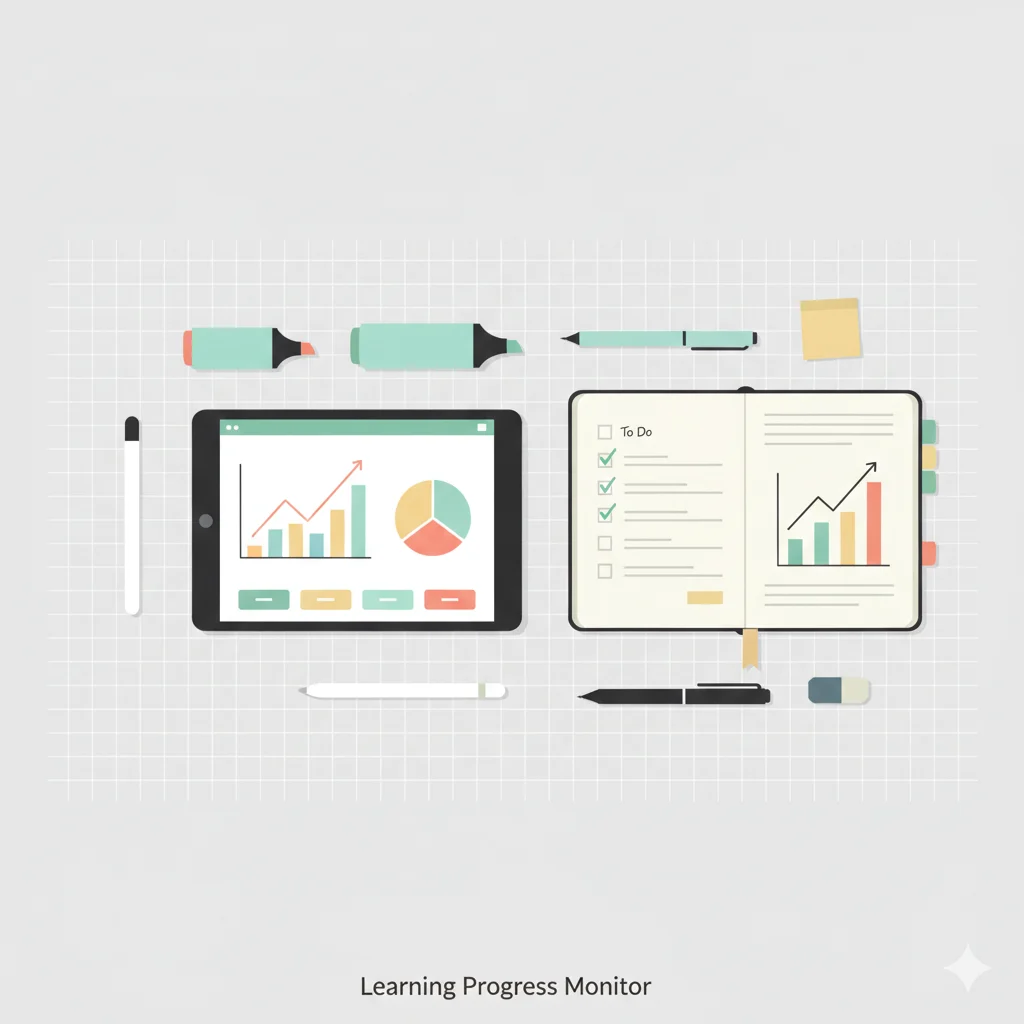
Tracking your progress is a key component of progress learning, as it helps you visualize growth, stay motivated, and adjust strategies when needed. One effective tool is a learning journal. By recording daily or weekly achievements, challenges, and reflections, you can see how far you’ve come and identify areas for improvement.
Digital apps are also highly useful. Platforms like Notion, Trello, Duolingo, or Habitica allow you to organize tasks, set reminders, and monitor progress over time. These tools provide visual feedback and make it easier to stay consistent.
Visual tracking techniques like charts, graphs, or progress bars are another powerful method. Seeing improvement graphically can be motivating and helps reinforce a sense of accomplishment. For example, tracking completed lessons or milestones in a skill like coding or language learning provides tangible evidence of growth.
Accountability methods, such as peer learning, study groups, or mentorship, further enhance progress tracking. Sharing goals and updates with others encourages consistency, provides feedback, and creates a supportive learning environment.
By combining journals, digital tools, visual trackers, and accountability strategies, learners can effectively monitor and enhance their learning progress, ensuring that every small step contributes to long-term mastery.
Examples of Progress Learning in Real Life
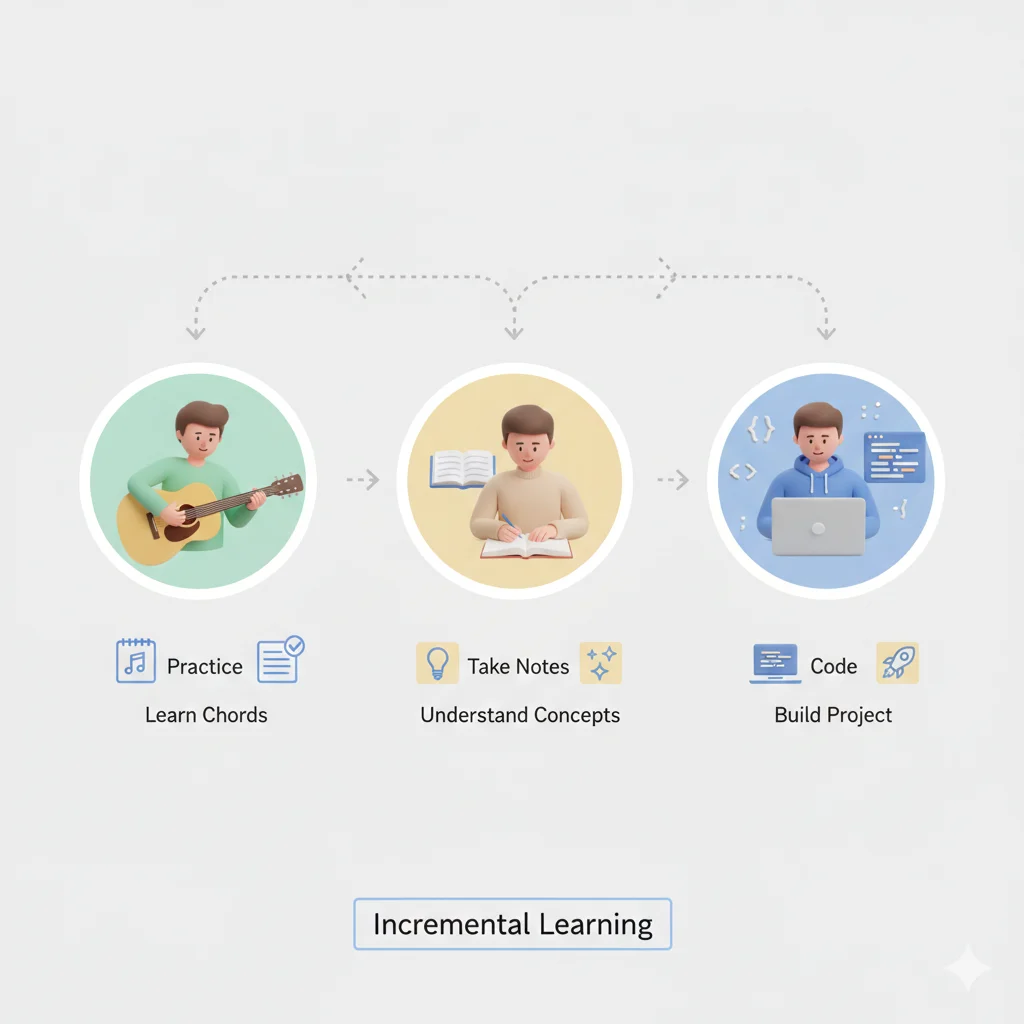
Progress learning is not just a theory—it’s applied in countless real-life situations, from academics to personal hobbies and professional growth. In language learning, for instance, learners often start with basic vocabulary and grammar, gradually advancing to complex sentences and conversation practice. By practicing a few words or phrases each day, consistent improvement becomes achievable without feeling overwhelmed.
In music, progress learning is essential. Musicians typically master one scale, chord, or song segment at a time. Daily practice of small sections leads to overall skill development, turning difficult pieces into manageable goals. Over time, these incremental steps accumulate into mastery of an instrument.
Sports and fitness also demonstrate progress learning. Athletes increase strength, endurance, or technique gradually, tracking performance and adjusting routines to improve steadily. For example, a runner might increase distance by just a half-mile each week, preventing injury while ensuring consistent progress.
Even in professional skills, such as coding, writing, or public speaking, progress learning is effective. By setting small, measurable goals—like completing one coding challenge a day or writing 200 words daily—professionals can steadily improve without feeling pressured.
These real-life examples show that small, consistent steps make learning sustainable, motivating, and highly effective.
Tips for Staying Motivated on Your Learning Journey
Staying motivated is crucial for successful progress learning, as even small lapses can slow down growth. One of the most effective strategies is to celebrate small wins. Recognizing and rewarding yourself for achieving mini-goals, like completing a lesson or mastering a new skill, reinforces positive behavior and keeps momentum going.
Set clear milestones to track progress. Breaking larger goals into smaller, achievable steps makes learning less overwhelming and provides a sense of accomplishment along the way. Visual trackers, charts, or progress bars can make achievements more tangible and motivating.
Another tip is to maintain a growth mindset. Embrace challenges, learn from mistakes, and focus on improvement rather than perfection. Viewing setbacks as opportunities rather than failures helps maintain motivation and persistence.
Mix learning with enjoyable activities whenever possible. For example, if you’re learning a language, watch movies, listen to music, or play games in that language. This makes the process fun and engaging while still promoting steady improvement.
Finally, find accountability partners, mentors, or learning communities. Sharing goals and progress with others creates support, encourages consistency, and keeps you motivated to continue your learning journey.
The Role of Reflection in Progress Learning

Reflection is a vital component of progress learning, helping learners understand what works, identify areas for improvement, and reinforce knowledge. It allows you to pause, review your achievements, and evaluate the strategies you’ve been using. Without reflection, it’s easy to continue ineffective methods or miss patterns that could enhance learning.
One effective approach is to keep a learning journal. Write down what you practiced, challenges faced, and lessons learned each day or week. Over time, this record provides valuable insights into your progress and helps you adjust your strategies for better results.
Reflection also encourages self-awareness and critical thinking. By analyzing mistakes and successes, learners develop a deeper understanding of their learning process and identify techniques that suit them best.
Additionally, reflection reinforces memory. Reviewing concepts, skills, or experiences shortly after learning them strengthens retention and understanding.
Incorporating reflection into your routine doesn’t have to be time-consuming. Even a few minutes at the end of a learning session to assess progress, set goals, and plan next steps can significantly enhance long-term growth and make the progress learning journey more structured, meaningful, and effective.
Long-Term Impact of Progress Learning

The long-term benefits of progress learning extend far beyond immediate skill improvement. By focusing on small, consistent steps, learners develop resilience, patience, and discipline, which are valuable traits in every aspect of life. Gradual progress helps individuals handle challenges more effectively, as they are accustomed to overcoming obstacles incrementally rather than expecting instant results.
Progress learning also promotes lifelong learning habits. When learners experience the satisfaction of steady improvement, they are more likely to continue seeking knowledge and skills throughout their lives. This mindset is particularly important in today’s fast-changing world, where adapting and acquiring new abilities is essential for personal and professional growth.
Additionally, this approach enhances problem-solving and critical thinking skills. By tackling complex tasks step by step, learners learn to analyze, reflect, and adjust strategies, improving decision-making and strategic thinking over time.
In professional contexts, progress learning can accelerate career advancement. Skills developed incrementally—whether coding, leadership, or communication—compound over time, creating expertise that stands out.
Ultimately, progress learning is not just a method—it’s a framework for continuous growth, self-improvement, and long-term success in any area of life.
Conclusion
Progress learning is a powerful approach that transforms the way we acquire knowledge and skills. By focusing on small, consistent steps, learners can build mastery without feeling overwhelmed or discouraged. This method not only enhances retention and understanding but also fosters motivation, confidence, and a growth mindset, making the learning journey more enjoyable and sustainable.
Tracking progress, reflecting on achievements, and celebrating small wins are essential components that keep learners engaged and focused. With the right tools, routines, and strategies, even complex skills become manageable, and setbacks are seen as opportunities for improvement rather than failures.
Whether you’re learning a new language, mastering a musical instrument, improving professional skills, or developing personal habits, progress learning provides a structured, practical roadmap. Over time, the incremental improvements compound, leading to significant long-term growth, resilience, and personal development.
Start small, stay consistent, and reflect regularly. By embracing progress learning, you not only enhance your skills today but also lay the foundation for lifelong growth and success.