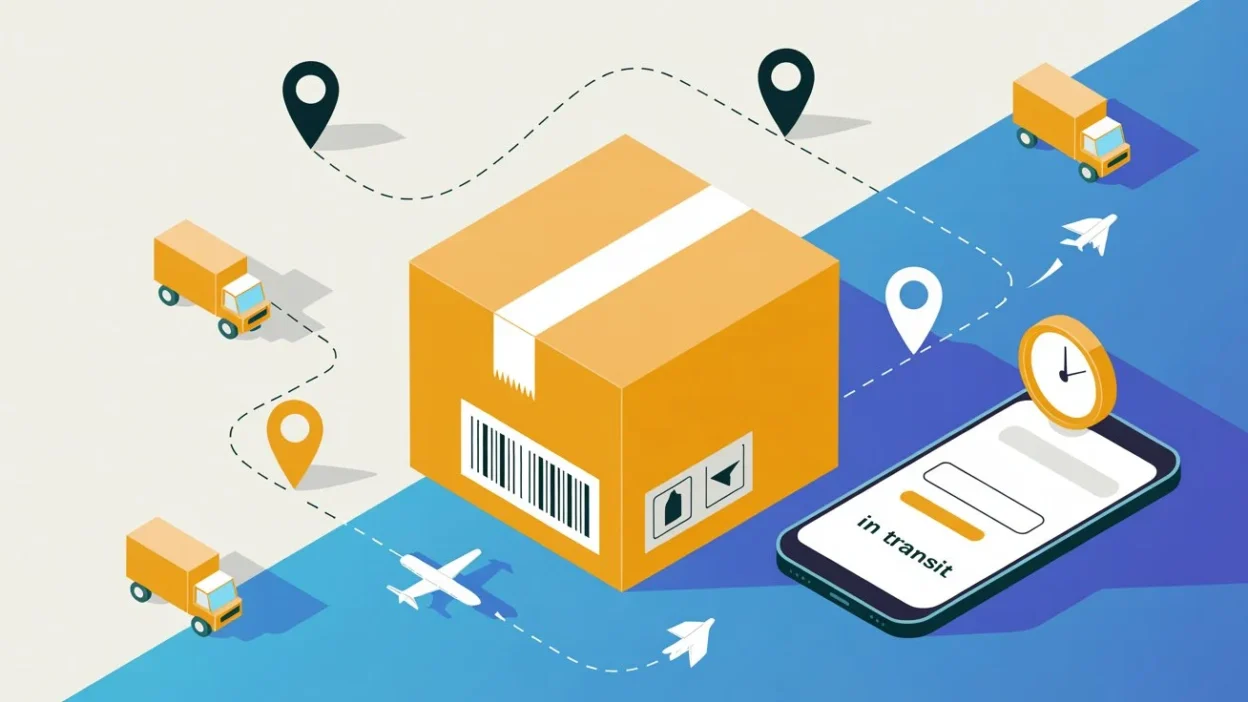
A few months ago, I ordered something online that I was really excited about. I kept checking the tracking page every day… and then one morning, the status said: “In Transit.”
I stared at it thinking, “Okay, but where is my package actually? And what does In Transit even mean?” 😅
At first, I panicked a little. I thought maybe it was stuck somewhere, delayed, or even lost. But after doing a little bit of research, I realized something simple: “In Transit” just means the package is traveling — moving from one delivery location to another. It wasn’t stuck at all… it was simply on its way.
So if you’ve ever felt that same confusion — trust me, I’ve been through it too! And today, I’ll explain it to you the same way I understood it.
⭐ Quick Reply:
“In Transit” means your package is currently moving between locations and is on its way to you — not stuck or lost.
In this article, we’ll break down what “In Transit” really means, why it might take longer sometimes, how different couriers use it, common tracking updates, and how to track your shipment without stressing. 📦🚚😊
Definition & Meaning of “In Transit”
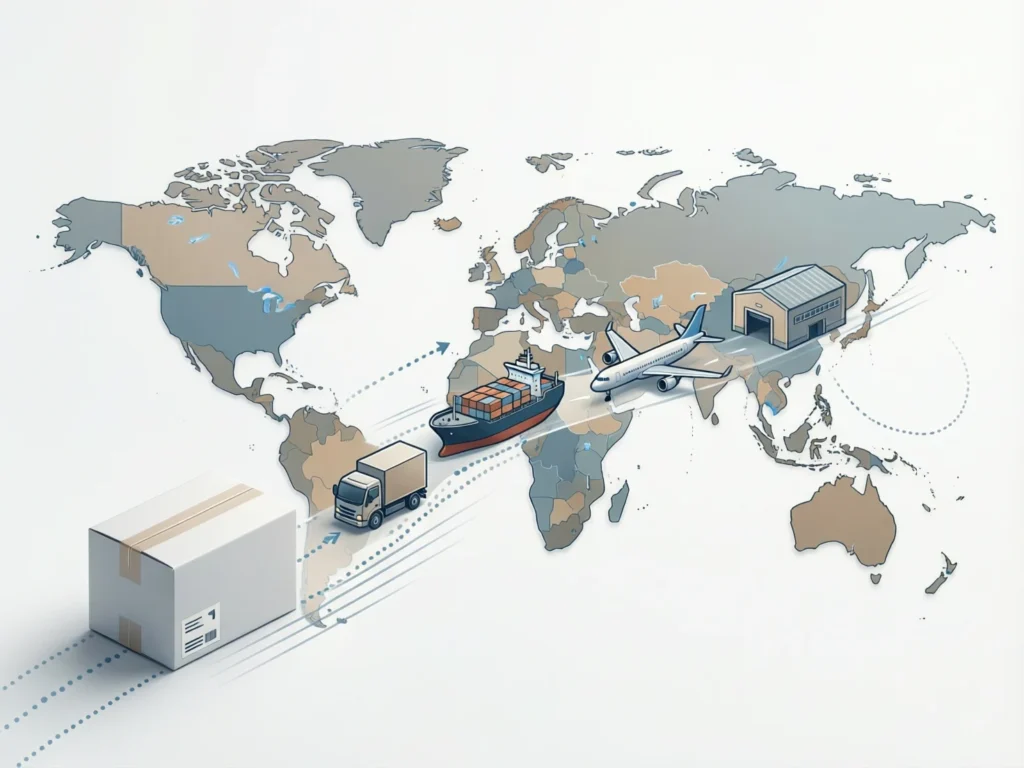
“In Transit” is a term used in shipping, logistics, and transportation to indicate that a package, shipment, or item has left the point of origin and is on its way toward its next location or final destination.
Key Aspects of “In Transit”
- The package has not yet been delivered.
- It may pass through multiple stops, including distribution centers, sorting hubs, or customs.
- Tracking updates provide visibility, but the status does not guarantee immediate delivery.
| Term | Meaning | Example |
| In Transit | Package is moving | “Your parcel is in transit to the next facility.” |
| Out for Delivery | Package is with a delivery driver | “Expect delivery today.” |
| Delivered | Package has reached its destination | “Package received by the recipient.” |
Origins & History
1. Logistics & Shipping Industry Origins
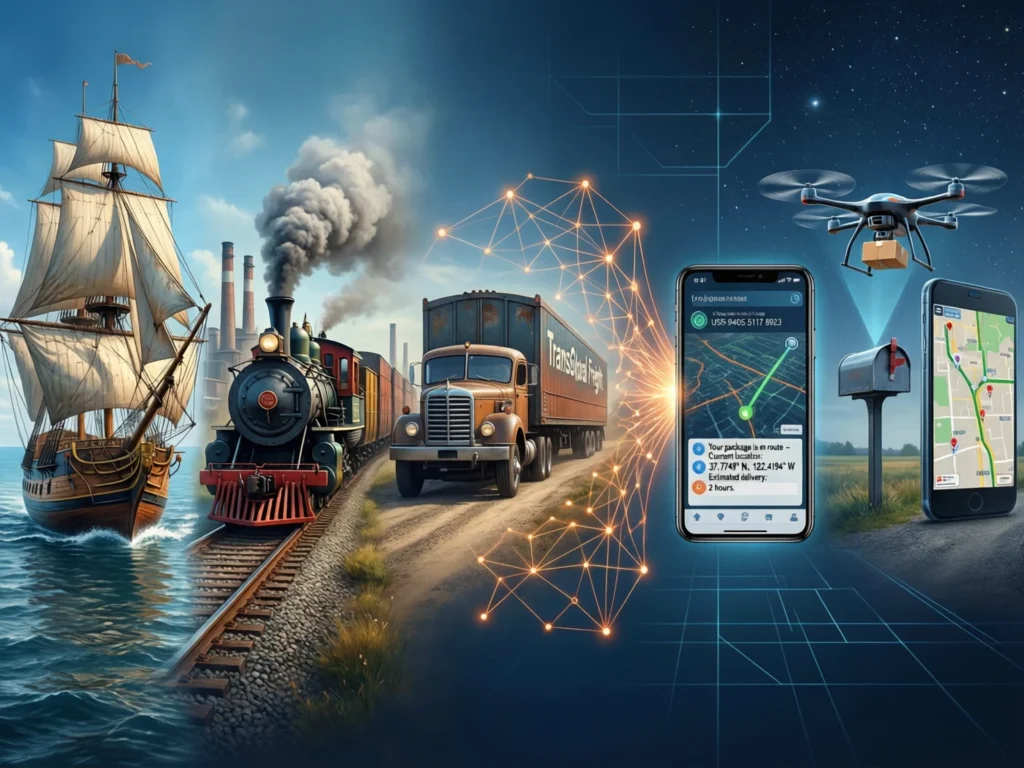
The phrase “in transit” comes from the world of shipping and freight logistics, dating back to early maritime and rail transportation. Merchants and shippers needed a way to track goods moving between ports, warehouses, and markets.
- Maritime shipping: Used in logs to indicate goods on a ship en route.
- Rail and truck freight: Adopted later to show that cargo was actively moving between stations.
2. Adoption in Modern E-Commerce
With the rise of online shopping, “in transit” became familiar to consumers tracking their packages online. Companies like Amazon, FedEx, UPS, DHL, and USPS began using it in tracking systems to give customers a clear update about their shipment’s movement.
3. Expansion Across Platforms
Today, the term appears in:
- E-commerce websites during checkout and order tracking
- Courier tracking apps and SMS notifications
- International shipping platforms indicating customs and transport status
The digital adoption ensures customers know where their package is at all times, even if delivery isn’t immediate.
Usage in Different Contexts

1. Online Shopping
When ordering products online, the status “in transit” usually appears after the item leaves the warehouse or fulfillment center.
- Purpose: To inform the buyer that the item is moving within the shipping network.
- Implication: Delivery is on the way but not immediate.
Example:
“Your order #3456 is in transit and expected to arrive within 3–5 business days.”
2. Courier and Shipping Services
Courier companies use in transit to show that a package is actively moving through the logistics network:
- On trucks or delivery vehicles between hubs
- On airplanes or trains for long-distance shipments
- Through customs or inspection for international packages
Example:
“Package #7890 is in transit from the regional sorting facility to the central hub.”
3. International Shipping
For cross-border shipments:
- Packages are “in transit” while moving through customs.
- Delays are possible due to inspections, documentation, or shipping volume.
- Estimated delivery times may vary depending on distance and carrier efficiency.
Example:
“Your parcel is in transit through customs and will continue to the destination country shortly.”
4. Banking & Finance
Though less common, in transit can refer to funds or payments moving from one account to another before being fully processed.
Example:
“The wire transfer is in transit and should reflect in your account within two business days.”
Common Misunderstandings

| Misunderstanding | Reality |
| In transit means the package is lost | Rarely; it simply indicates movement. |
| It guarantees delivery today | No; it only shows that the package is moving. |
| Tracking updates are instantaneous | Updates depend on scans at facilities and may be delayed. |
| All carriers define it the same | Definitions are similar but may vary slightly between companies. |
Tips to avoid confusion:
- Check estimated delivery dates
- Look for latest scan updates
- Be aware of international or customs delays
Examples of “In Transit” in Real Life

- E-commerce Package:
“Your laptop is in transit and should reach you within 5 business days.”
- Courier Service Update:
“Package #4567 is in transit to the central sorting facility.”
- International Shipment:
“Your parcel is in transit through customs and will continue to the destination soon.”
- Banking Example:
“Your deposited check is in transit and will clear in 2 business days.”
- Gift Delivery:
“The birthday gift is in transit and expected to arrive on Friday.”
Alternatives & Synonyms

| Term | Meaning | Usage Context |
| On the way | Informal tracking | Friendly or customer updates |
| En route | Formal logistics term | Professional communication |
| Shipped | Initial dispatch | Online shopping updates |
| Out for delivery | Final stage of shipping | Delivery confirmation |
| Being transported | General description | Supply chain or logistics communication |
Tip: Choose the term depending on audience and context. “In transit” is standard, but “on the way” works well for casual updates.
Tips for Customers Tracking “In Transit” Packages

- Monitor Estimated Delivery Dates
- Being “in transit” does not indicate a specific arrival time.
- Being “in transit” does not indicate a specific arrival time.
- Check Updates Regularly
- Scans and tracking updates may take time between facilities.
- Scans and tracking updates may take time between facilities.
- Be Patient with International Shipments
- Customs and long-distance transport can add days.
- Customs and long-distance transport can add days.
- Contact the Carrier if Needed
- For delays or missing scans, reaching out to customer service is helpful.
- For delays or missing scans, reaching out to customer service is helpful.
- Use Tracking Apps
- Many carriers offer apps for real-time location updates.
- Many carriers offer apps for real-time location updates.
Frequently Asked Questions (FAQ)
1️⃣ What does “in transit” mean in shipping?
- It indicates the package has left the origin and is moving toward the next location or final destination.
2️⃣ Does “in transit” mean the package is out for delivery?
- No. “Out for delivery” is the final step before reaching your door.
3️⃣ Why is my package in transit for several days?
- Multiple factors affect transit: distance, weather, customs, processing delays, or high shipping volume.
4️⃣ Can “in transit” mean the package is lost?
- Rarely. Usually, it just means the package is still moving through the logistics network.
5️⃣ How can I track a package in transit?
- Use the carrier’s tracking system with your tracking number; updates may take a few hours to appear.
6️⃣ Is “in transit” used in banking?
- Yes, it can refer to funds moving between accounts before clearing.
7️⃣ What should I do if my package stays in transit too long?
- Contact the shipping carrier or retailer for assistance.
Conclusion
The term “in transit” is a standard status used in shipping, logistics, and even banking, indicating that an item or payment has left its origin and is on its way to the destination.
- It does not guarantee delivery at that moment but signals movement.
- Understanding “in transit” helps reduce anxiety and confusion when tracking packages.
- Always monitor estimated delivery times, tracking updates, and reach out to carriers if there are delays.
By knowing the meaning, usage, and nuances of “in transit,” you can confidently track shipments and stay informed throughout the shipping process.