If you’ve been texting, chatting online, or scrolling through social media, you may have encountered the abbreviation “YN”. At first glance, it might seem confusing, but understanding YN is essential for clear and effective digital communication.
Quick Reply: YN commonly stands for “Yes/No” or “Your Name”, depending on the context. It is widely used in texting, social media, roleplaying forums, and casual chats.
Abbreviations like YN are becoming increasingly common as people seek quick, efficient ways to communicate.
Misunderstanding them can lead to miscommunication, delayed replies, or social awkwardness.
This guide will break down everything you need to know about YN—from its meaning and origins to examples, common mistakes, alternative uses, and best practices.
By the end, you’ll be able to confidently use or interpret YN in any digital setting, whether it’s a chat, online game, social media poll, or text message.
Definition & Meaning of YN
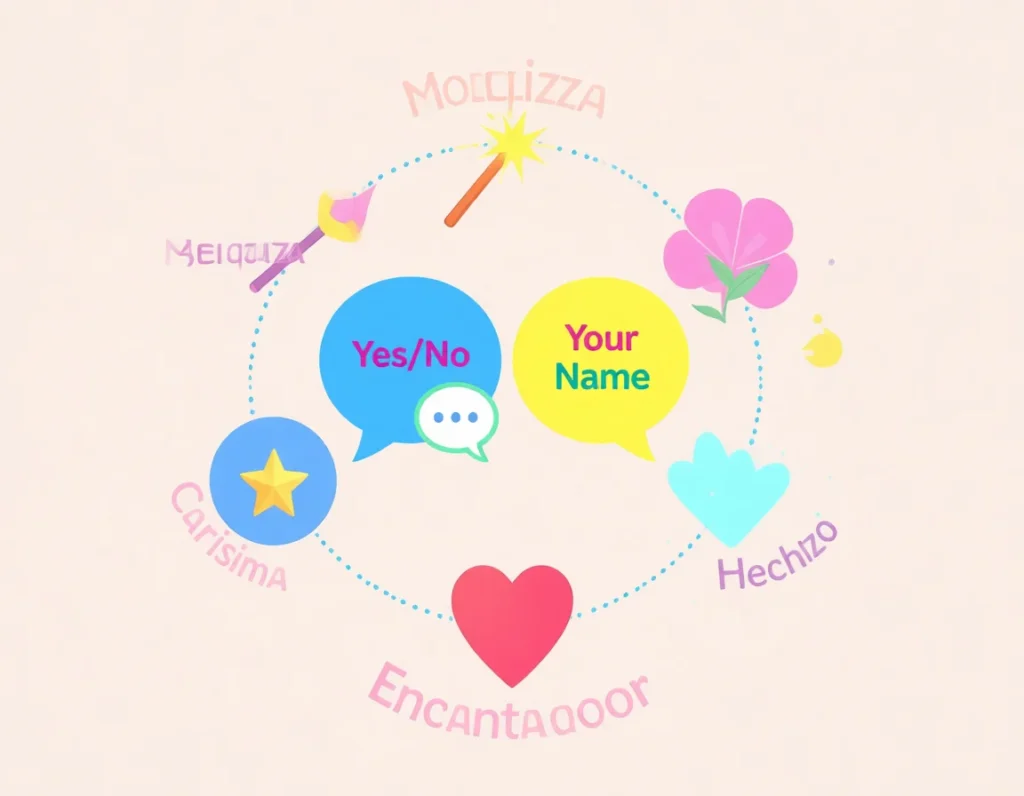
Primary Meaning: Yes/No
The most common meaning of YN is Yes/No, used to quickly answer or ask binary questions. This shorthand is particularly useful in texting or online chats where brevity is preferred.
Examples:
- Friend: “Are you coming to the party tonight? YN?”
- Response: “Y” → Yes
- Response: “N” → No
- Response: “Y” → Yes
- Social media poll: “YN, do you like this trend?”
Secondary Meaning: Your Name
Another widely recognized meaning of YN is Your Name, often used in roleplaying forums, online games, and social media prompts. It serves as a placeholder where the user is expected to insert their name or character name.
Examples:
- Roleplay prompt: “YN = ___” → You fill in your character’s name
- Online form: “Please enter YN to continue” → Replace with your actual name
Other Contextual Meanings
Though less common, YN can also represent:
- Yeah, No → A casual, contradictory response in chats
- Yield Notice → Used in professional or legal contexts
Tip: Always consider the context. The meaning of YN can vary depending on whether it appears in texting, gaming, surveys, or professional settings.
Origins & History
Texting & Chat Abbreviation
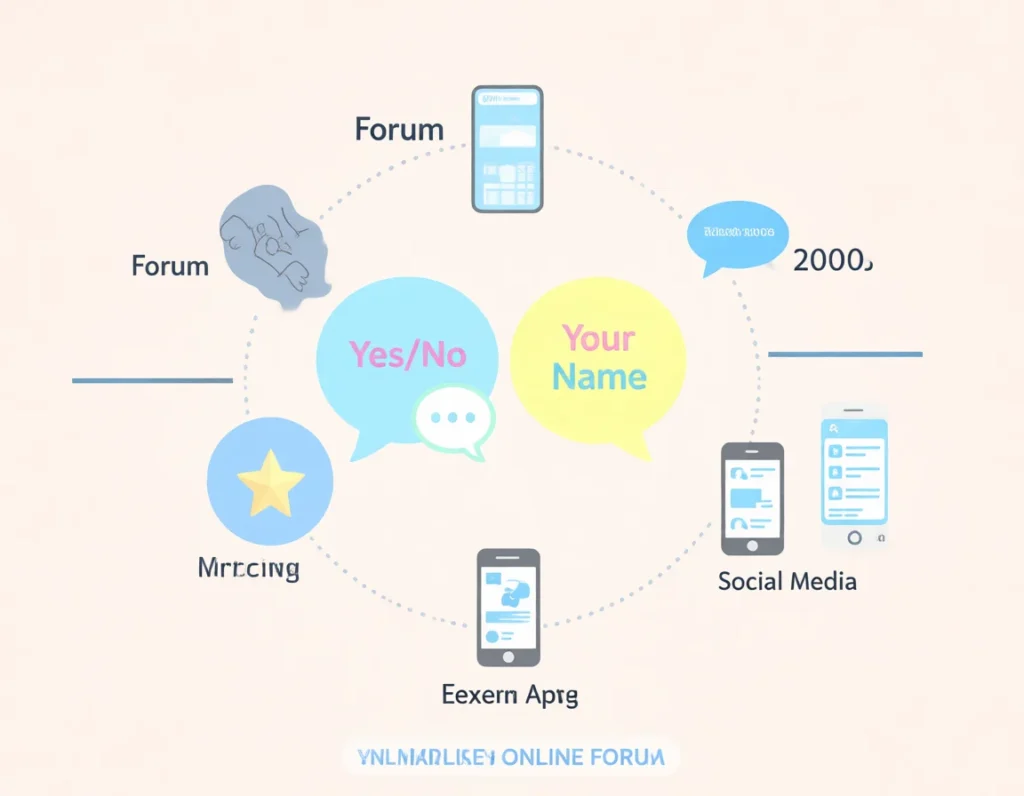
YN emerged as a time-saving abbreviation in texting, helping users type faster on mobile phones. With the rise of smartphones and instant messaging apps, shorthand like YN became popular globally.
Roleplaying & Online Gaming
Early online roleplaying communities adopted YN to indicate placeholders for character names. Using YN in prompts allowed smooth storytelling and easier interactions between players.
Global Usage
- WhatsApp, Discord, Instagram DMs, and other messaging platforms commonly use YN.
- Social media polls also adopted YN for quick binary responses, making it a universal shorthand for Yes/No questions.
Fun Fact: YN’s simplicity and versatility made it one of the most widely recognized texting abbreviations across multiple platforms.
Usage in Different Contexts
1. Text Messaging & Chats
- YN is most frequently used to ask or answer simple Yes/No questions.
- Example:
- “YN, are we meeting at 7 PM?”
- Response: “Y” → Yes, “N” → No
- “YN, are we meeting at 7 PM?”
- Advantages:
- Saves typing time
- Reduces miscommunication
- Ideal for informal, quick conversations
- Saves typing time
2. Social Media & Polls
- YN is widely used in polls, quizzes, and engagement posts on platforms like Instagram, TikTok, and Twitter.
- Example:
- “YN, do you like this new feature?”
- “YN, do you like this new feature?”
- This usage encourages fast, interactive responses from followers.
3. Roleplaying & Gaming
- YN is commonly used in text-based roleplay games to request a user’s character name or decision.
- Example:
- “Player 1: YN = ___” → Player enters character name
- “Player 1: YN = ___” → Player enters character name
- Using YN allows smooth, fast-paced interactions in roleplay conversations.
4. Professional or Niche Usage
- In legal, financial, or technical fields, YN may occasionally stand for Yield Notice.
- Although rare, understanding this ensures correct interpretation in professional contexts.
Common Misunderstandings & Clarifications
- Yes/No vs Your Name: Misinterpreting YN is the most common mistake. Always read the context carefully.
- Formality: YN is informal and should not be used in formal professional communication unless contextually appropriate.
- Multiple Meanings: Some users confuse YN with similar acronyms like Y/N or N/A.
Example of Misunderstanding:
- Message: “Do you agree with the plan? YN”
- Misread as “Your Name” → Leads to confusion
- Correct: “Yes/No”
Tip: Look at the surrounding text and platform. Social media polls usually imply Yes/No, while roleplaying forums imply Your Name.
Tips for Correct Usage
- Check the context: Ensure YN is interpreted correctly as Yes/No or Your Name.
- Avoid in formal communication: Use full terms like Yes or No in emails or official forms.
- Use in polls or quick replies: Ideal for social media and chat engagement.
- Combine with other abbreviations: YN works well alongside LOL, BRB, FYI.
- Practice in roleplaying: Using YN for character introductions or decisions keeps interactions smooth.
Alternatives & Synonyms
| Abbreviation | Meaning | Context |
| Y/N | Yes/No | Common alternative for binary answers |
| Yes/No | Full form | Formal communication |
| N/A | Not Applicable | Surveys and forms |
| Initials | Your Name | Roleplay and social media |
Examples of YN in Texting and Online Platforms
- Text Chat:
- Friend: “YN, do you want pizza?”
- You: “Y” → Yes
- Friend: “YN, do you want pizza?”
- Social Media Poll:
- “YN, should we start a new challenge?” → Users reply Y or N
- “YN, should we start a new challenge?” → Users reply Y or N
- Roleplay Game:
- Prompt: “YN = [Character Name]” → Player fills in their character’s name
- Prompt: “YN = [Character Name]” → Player fills in their character’s name
- Quick Survey:
- “YN, would you like notifications?” → Y or N answer
- “YN, would you like notifications?” → Y or N answer
Tip: Always provide clarity if there is any ambiguity in context.
Cultural Notes
- YN is part of digital shorthand culture, which has grown globally with smartphones.
- It reflects the fast-paced communication style of younger generations.
- Understanding YN is crucial to avoiding miscommunication, particularly for non-native English speakers or international users.
Fun Fact: Many social media influencers and content creators use YN to engage followers quickly in polls, Q&A sessions, and challenges.
Frequently Asked Questions (FAQ)
1️⃣ What does YN mean in text messages?
- Usually “Yes/No” or “Your Name,” depending on context.
2️⃣ How do I respond to YN?
- Yes/No: Respond with “Y” or “N”
- Your Name: Fill in your actual name or character name
3️⃣ Is YN informal?
- Yes, it is primarily used in casual texting, social media, and online gaming.
4️⃣ Can YN be used professionally?
- Rarely. Only in niche fields like legal forms or finance. Full forms are preferable.
5️⃣ Are there other variations?
- Yes, Y/N is widely used; N/A is sometimes seen in forms.
6️⃣ Why is YN popular?
- It saves time, simplifies conversations, and is widely recognized online.
7️⃣ Can YN be misunderstood?
- Yes, context determines if it’s Yes/No or Your Name. Always check surrounding text.
8️⃣ Can YN be used for roleplaying?
- Absolutely. It is widely used in RPG forums for character names and decisions.
9️⃣ How does YN help in social media polls?
- It streamlines responses, encourages engagement, and makes tracking answers easier.
10️⃣ Is YN universally understood?
- Yes, in texting and online communities, most users recognize YN as shorthand.
Also Visit : What Does SOS Mean on iPhone? 📱 Emergency SOS Explained
Conclusion
YN is a versatile abbreviation that can mean Yes/No or Your Name, depending on context. It has evolved alongside digital communication and remains widely used in texting, social media, roleplaying games, and online platforms.
By understanding YN, knowing how to respond, and using it correctly, you can improve communication, reduce misunderstandings, and engage effectively in digital conversations.Remember: YN is context-dependent. Always read the surrounding conversation before replying to ensure your answer fits correctly.